When large infrastructure projects intersect complex ecosystems, understanding how wildlife responds requires consistent monitoring, strong ecological knowledge, and careful attention to change.
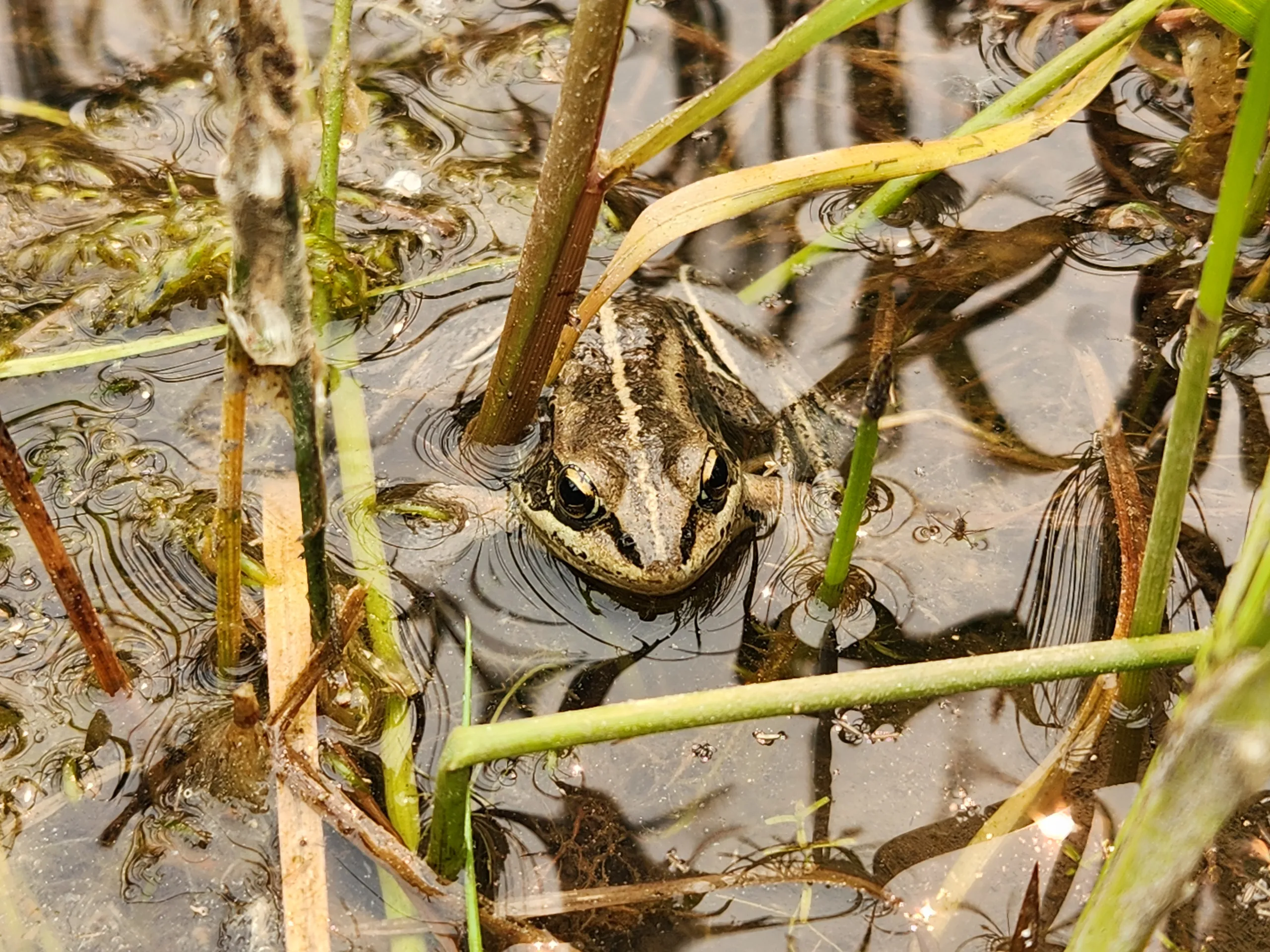
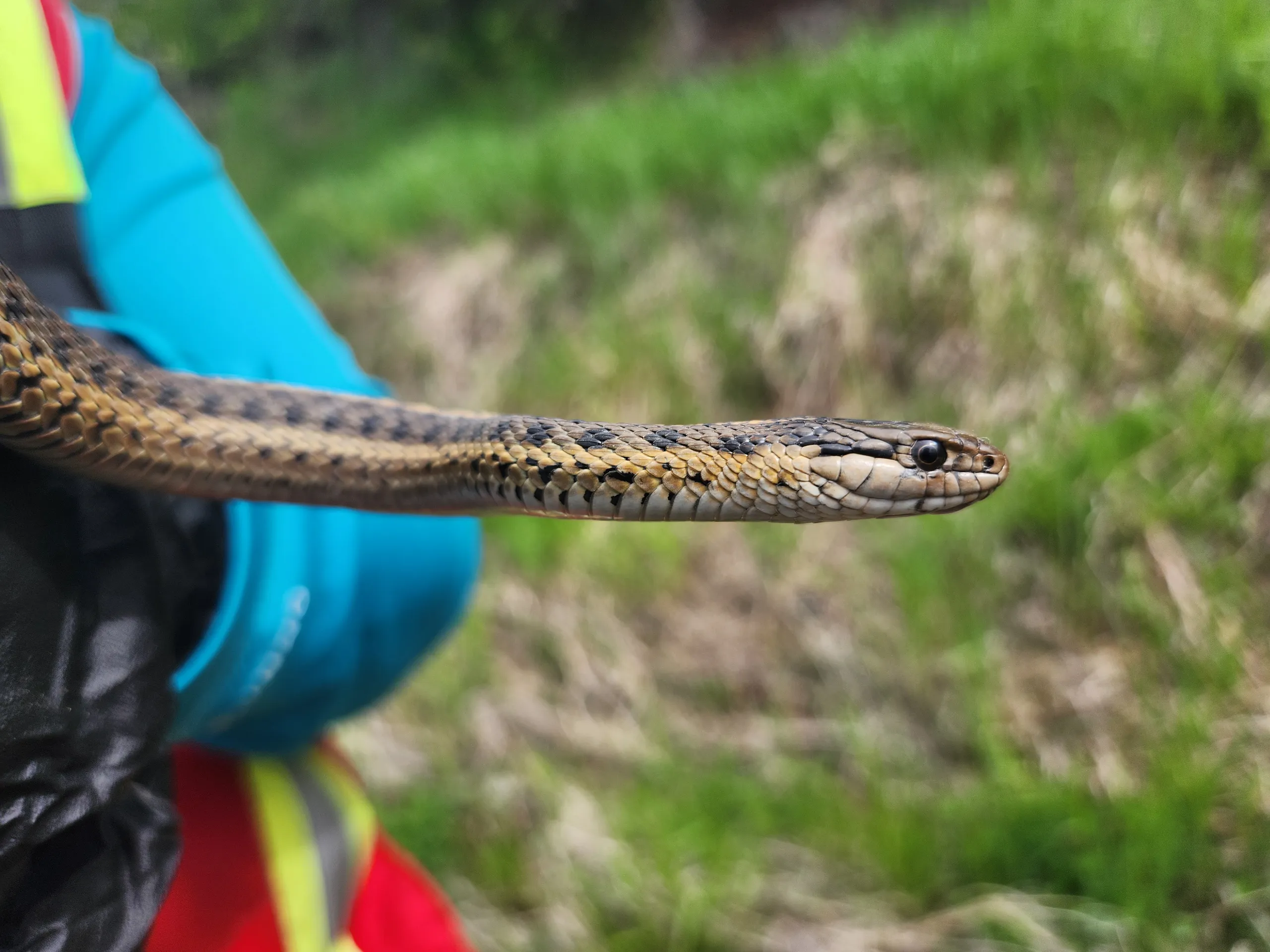
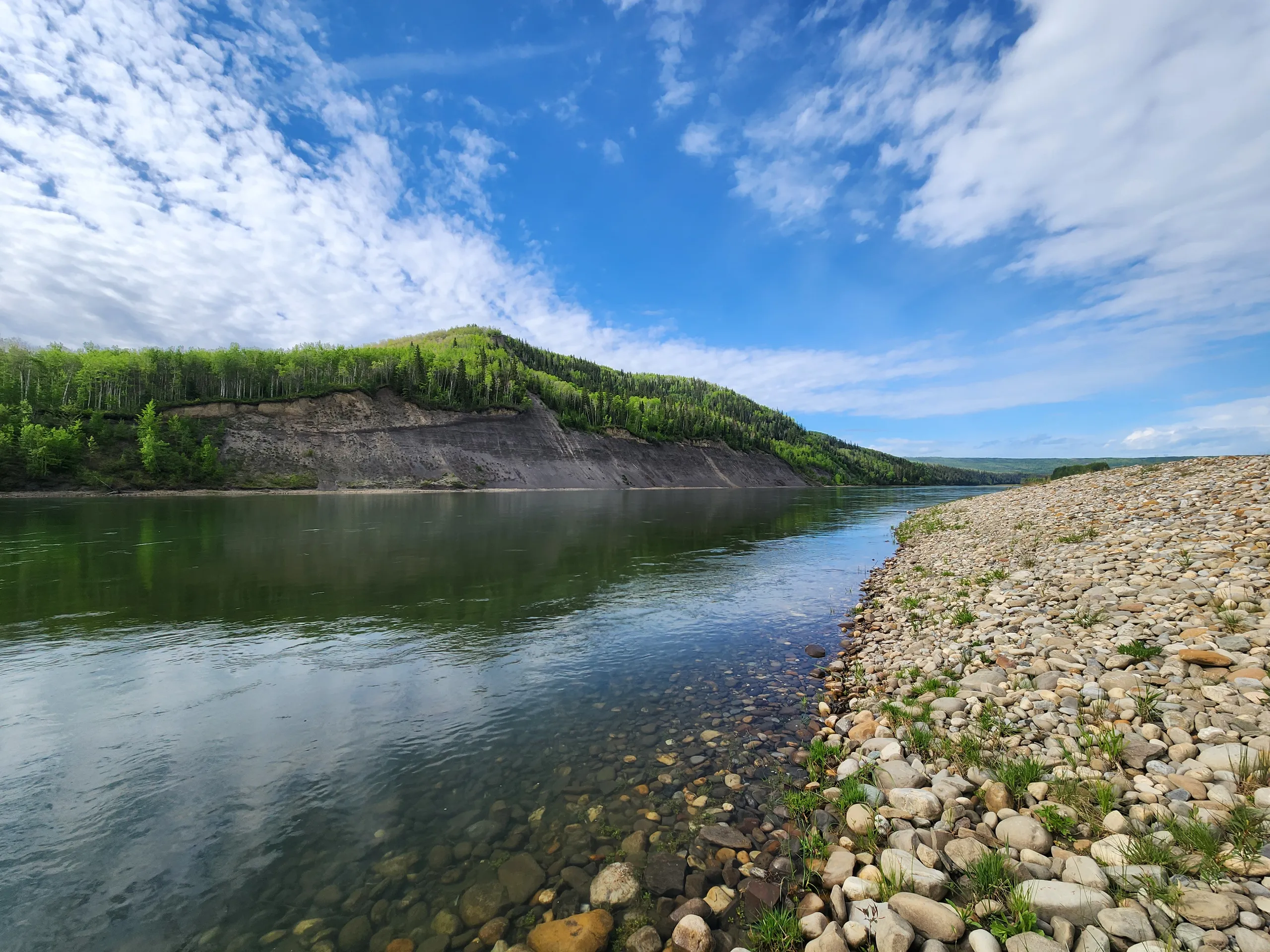
On behalf of BC Hydro, we are implementing a long-term monitoring program focused on Western toads and garter snakes downstream of the Site C Clean Energy Project, spanning approximately 37 km of the Peace River. This stretch of the river includes wetlands, riparian zone, and backwater habitats that are critical for amphibians and reptiles. The goal of our work is to track changes in species distribution, habitat use, and relative abundance over time, so potential impacts can be identified early, and appropriate protection measures can be applied if needed.
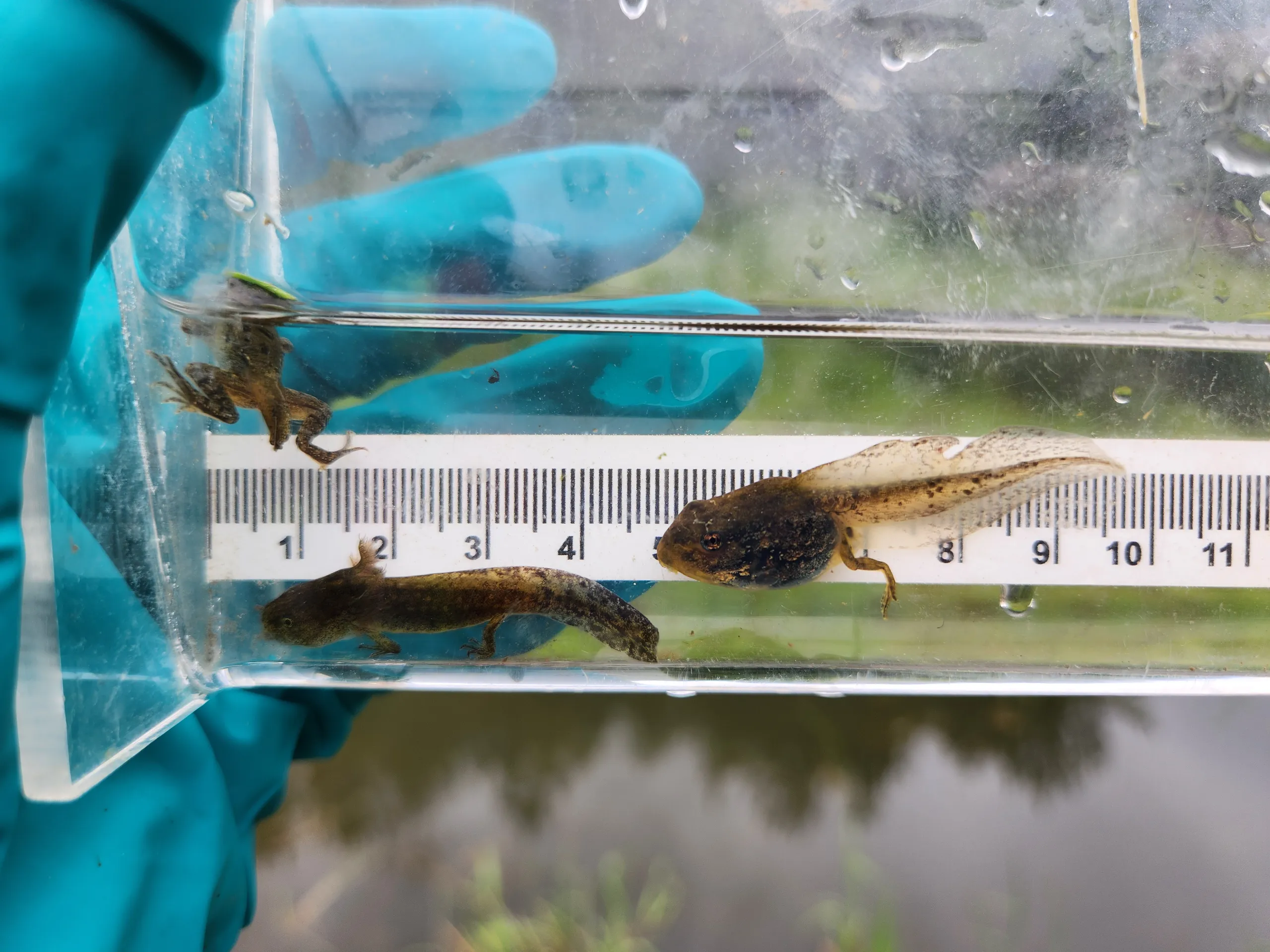
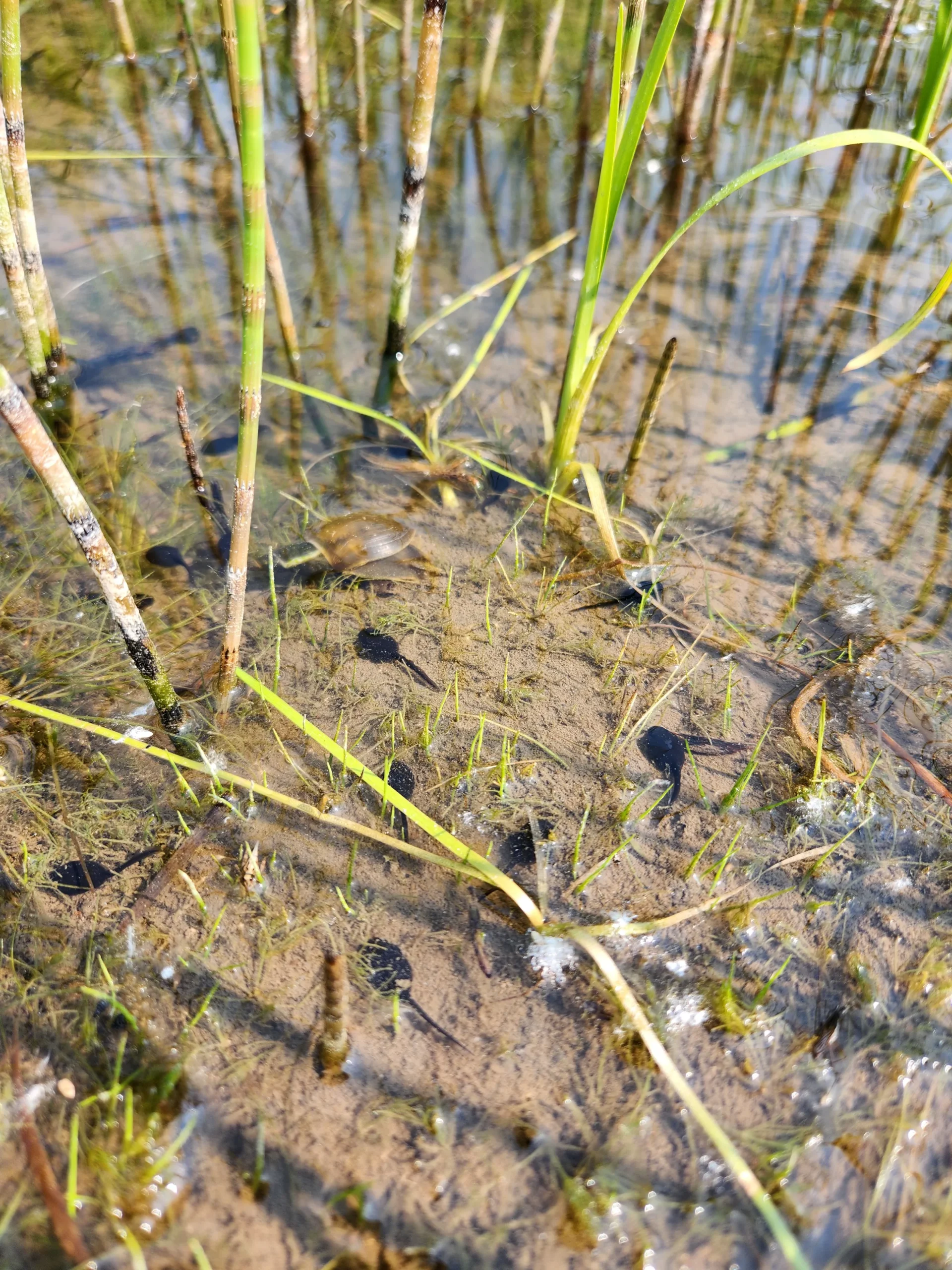
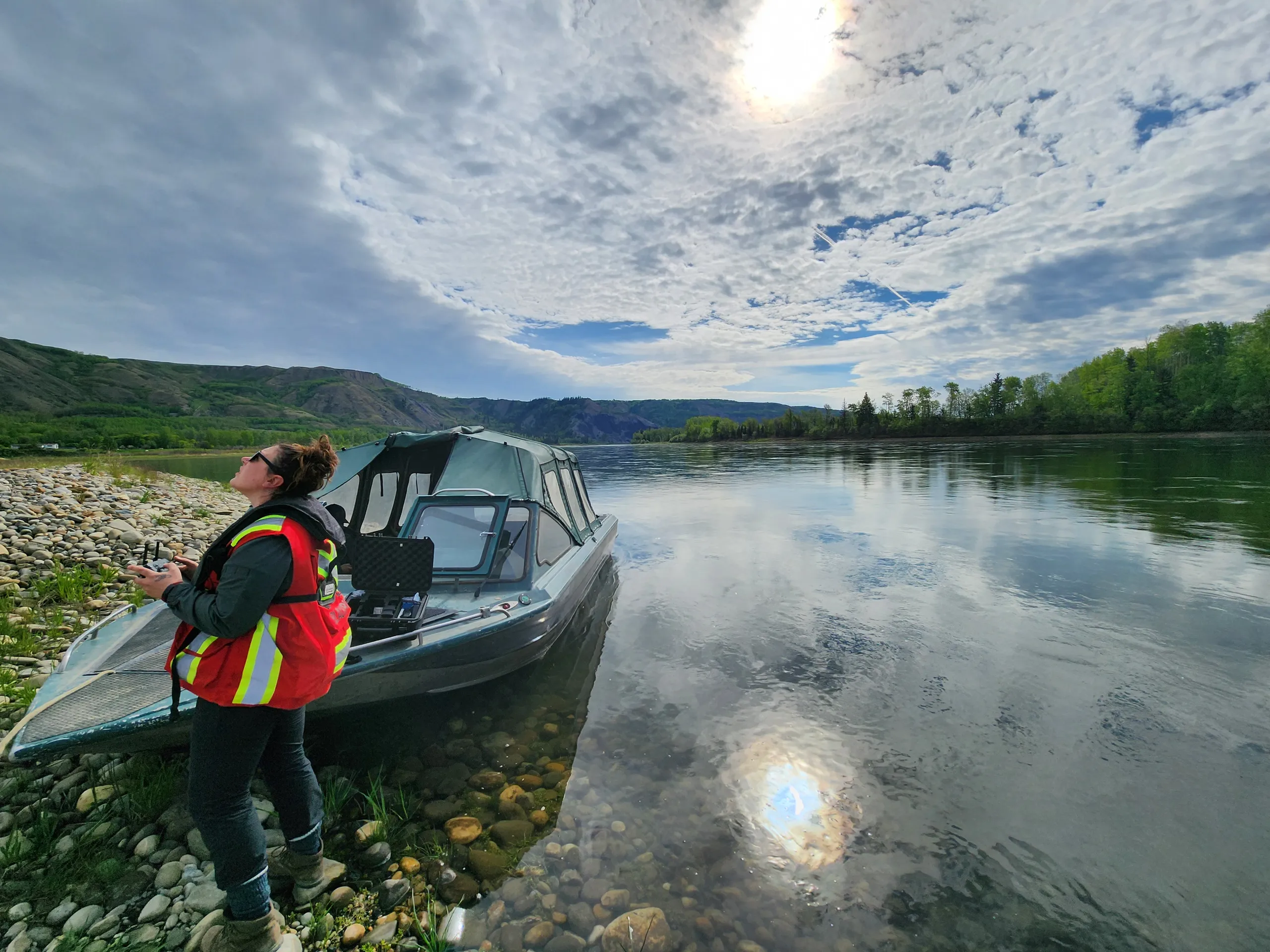
Our biologists assess habitat suitability using aerial imagery, species-specific life history research, and local knowledge, then conduct field surveys by boat along the Peace River. Surveys are carefully timed to key life stages depending on the species; for Western toads, this includes egg masses in May, tadpoles in June, and juveniles later in the summer. This approach maximizes detectability, ensures high-quality data, and captures the seasonal rhythms of these fascinating herptiles.
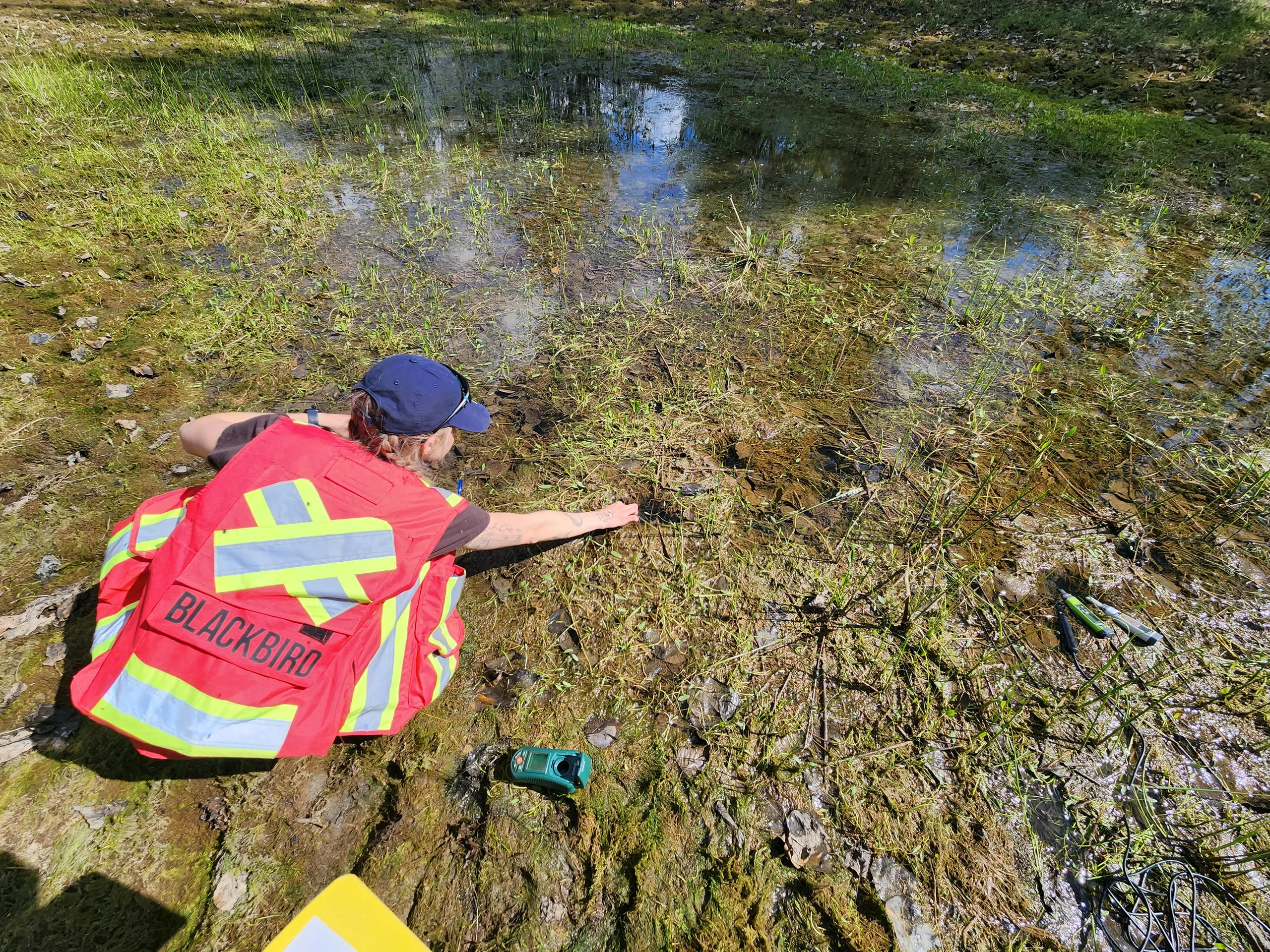
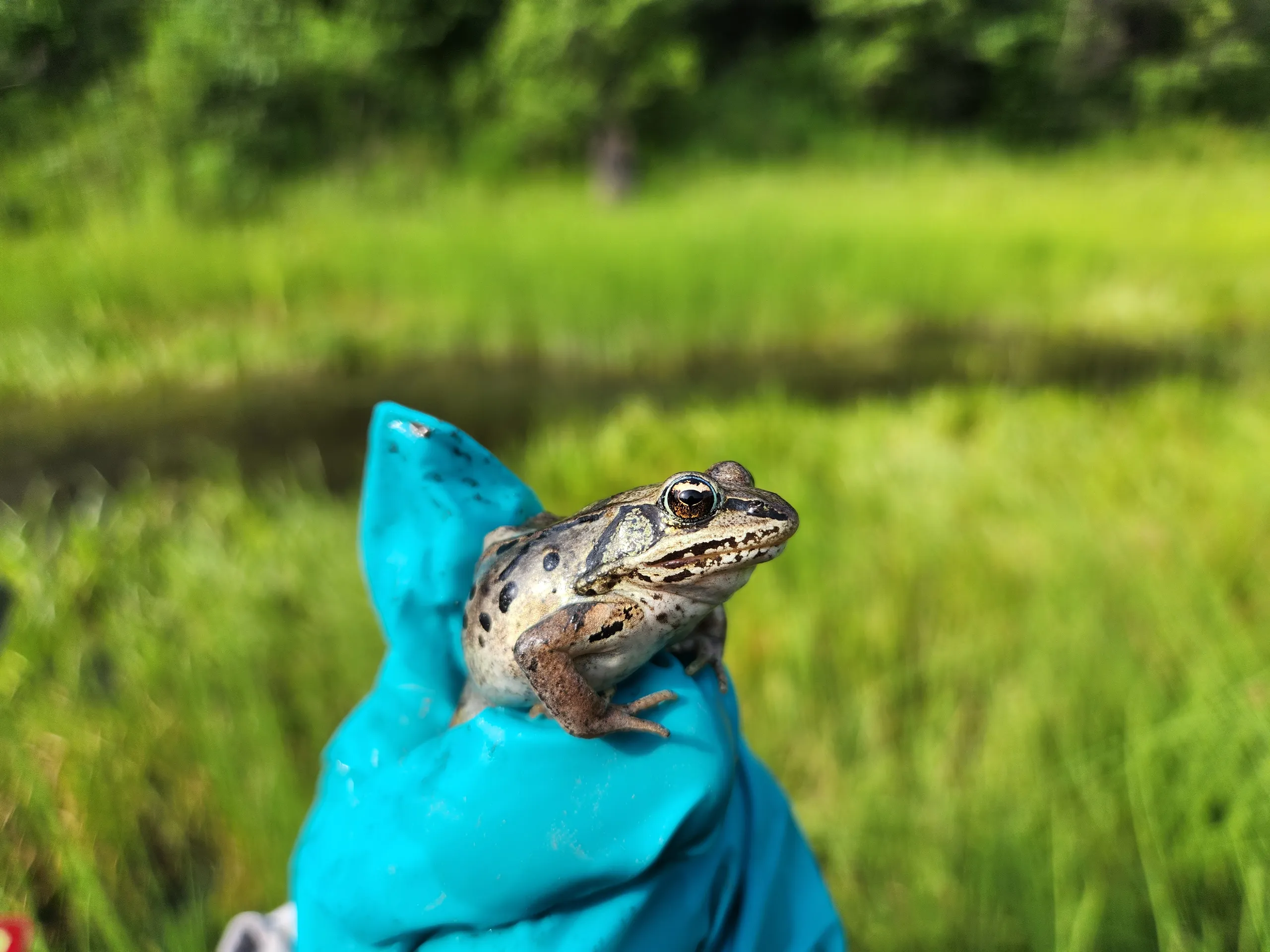
And yes, sometimes that means patiently scanning the edges of a pond and counting thousands of tadpoles by eye. It’s meticulous work, but it’s exactly this level of care and expertise that allows us to produce reliable, defensible data that clients and regulators can trust. Beyond the numbers, it’s also a chance to witness the subtle intricacies of these ecosystems – from a garter snake sunning itself on a rock to a tadpole wriggling in shallow water – and appreciate why even the smallest species play a big role in ecosystem health.